The company Energe, a pioneer in solar energy in Argentina, celebrates 17 years since its foundation in the UNCuyo incubator with more than 10,000 installed projects, its own factory, and a presence throughout the country and Uruguay.
The company Energe, a pioneer in solar energy in the country, which was born in Mendoza in 2007 driven by 3 young engineers, celebrates a new anniversary with more than 10,000 completed and installed projects in both homes and industries, as well as in iconic sites such as the Olivos Presidential Residence.
Seventeen years have passed since Alexis Atem, Sebastian Perez, and Leonardo Scollo designed, built, and proved they could transform their knowledge into positive-impact solutions, both in energy savings and environmental care. The sustainable dream was developed within the business incubator program of the National University of Cuyo (UNCuyo) and grew to become one of the most important solar energy companies in the country.
The only one with triple certification
Energe is the only company in the sector that simultaneously holds ISO 9001-2015 Certification + Great Place to Work 2023 + B Corp Certification, positioning it as a benchmark not only technically but also organizationally and in terms of social impact.
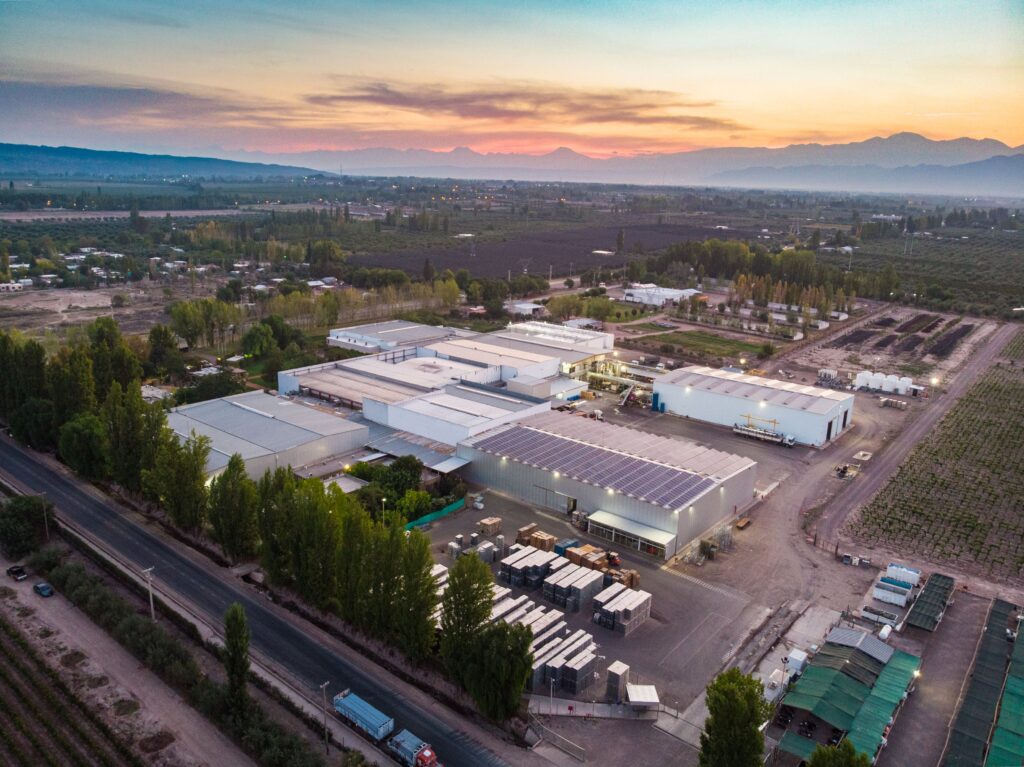
It is among the few companies in the sector that has its own factory, which has become a point of reference for schools, universities, and entrepreneurs.
The journey traveled
In those first years, the uncertainty showed a payback period of 90 years, which was a challenge for both marketing and installation. The first buyers of Energe's solar water heaters were family and friends, and manufacturing, sales, and installation depended on a small team of 3 people.
Today, Energe has its own production plant with more than 60 direct employees and more than 10,000 completed and operational projects, including homes, wineries, businesses, industries, and prominent sites like the Casa Rosada and the Quinta de Olivos.
The company has also evolved by creating social value through hiring people from vulnerable groups, impact sourcing, and encouraging the public sector to adopt a more sustainable energy matrix.
Original source: Ecocuyo — April 14, 2024