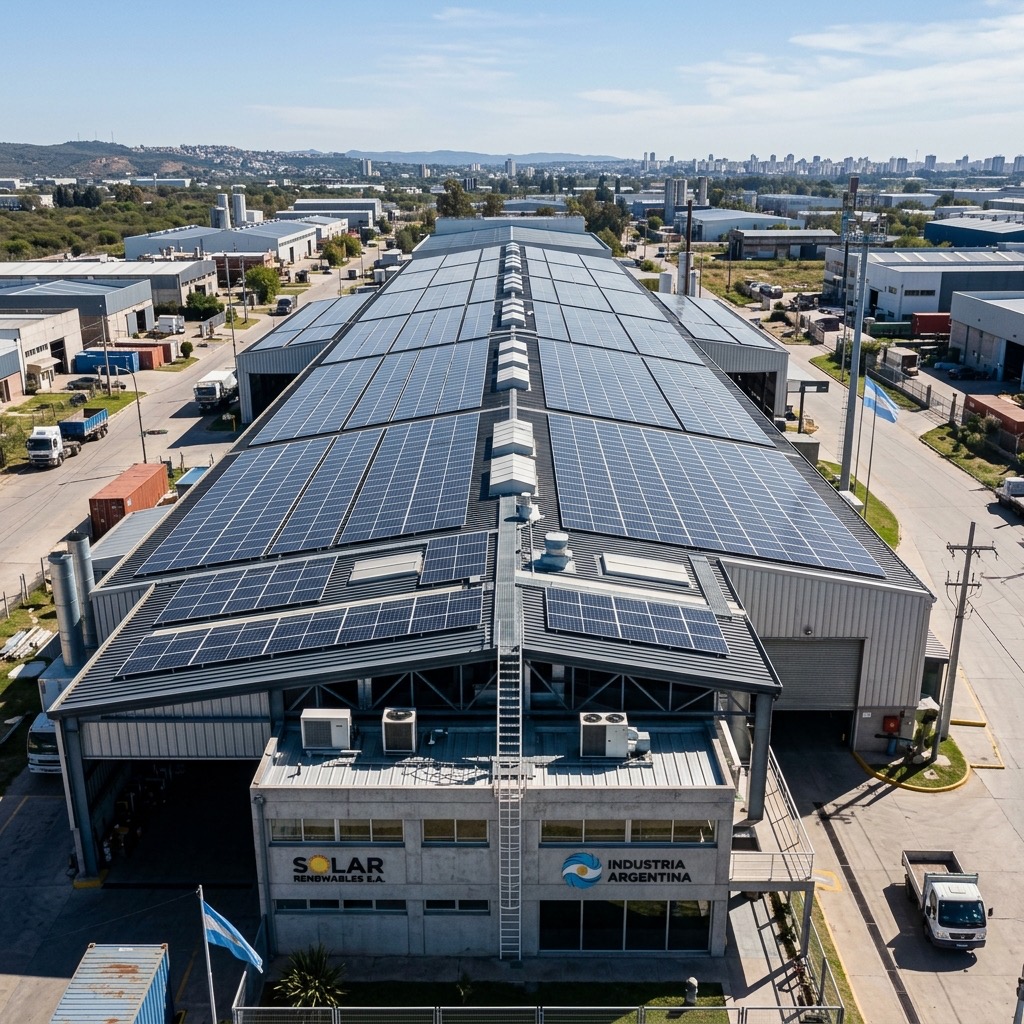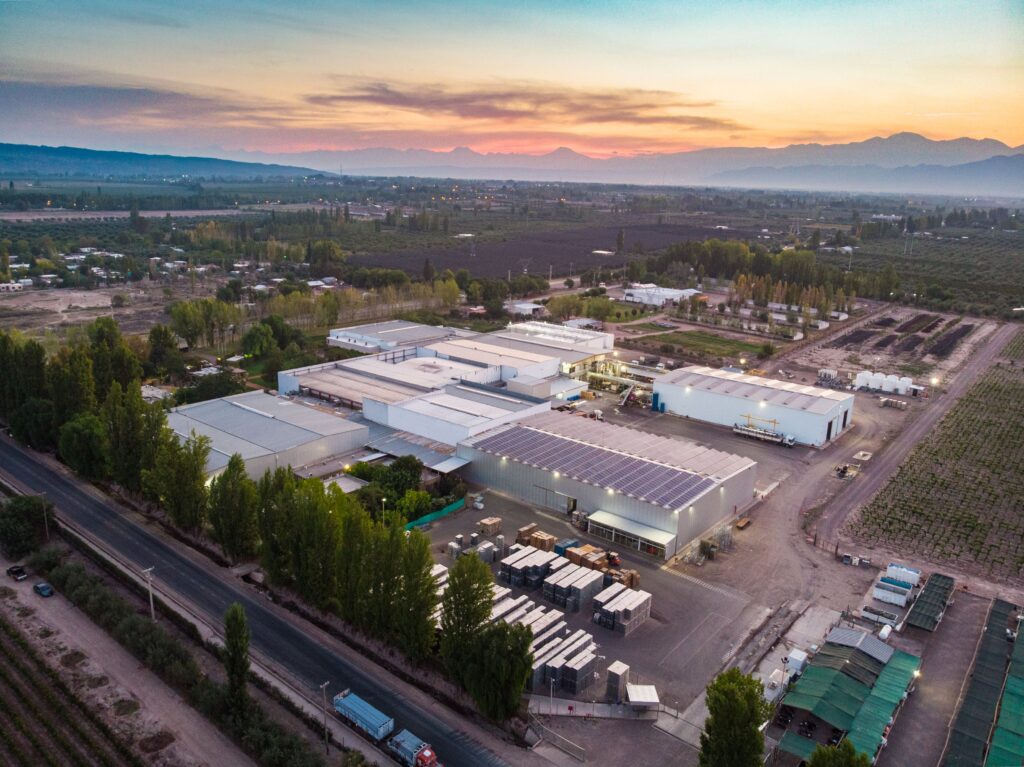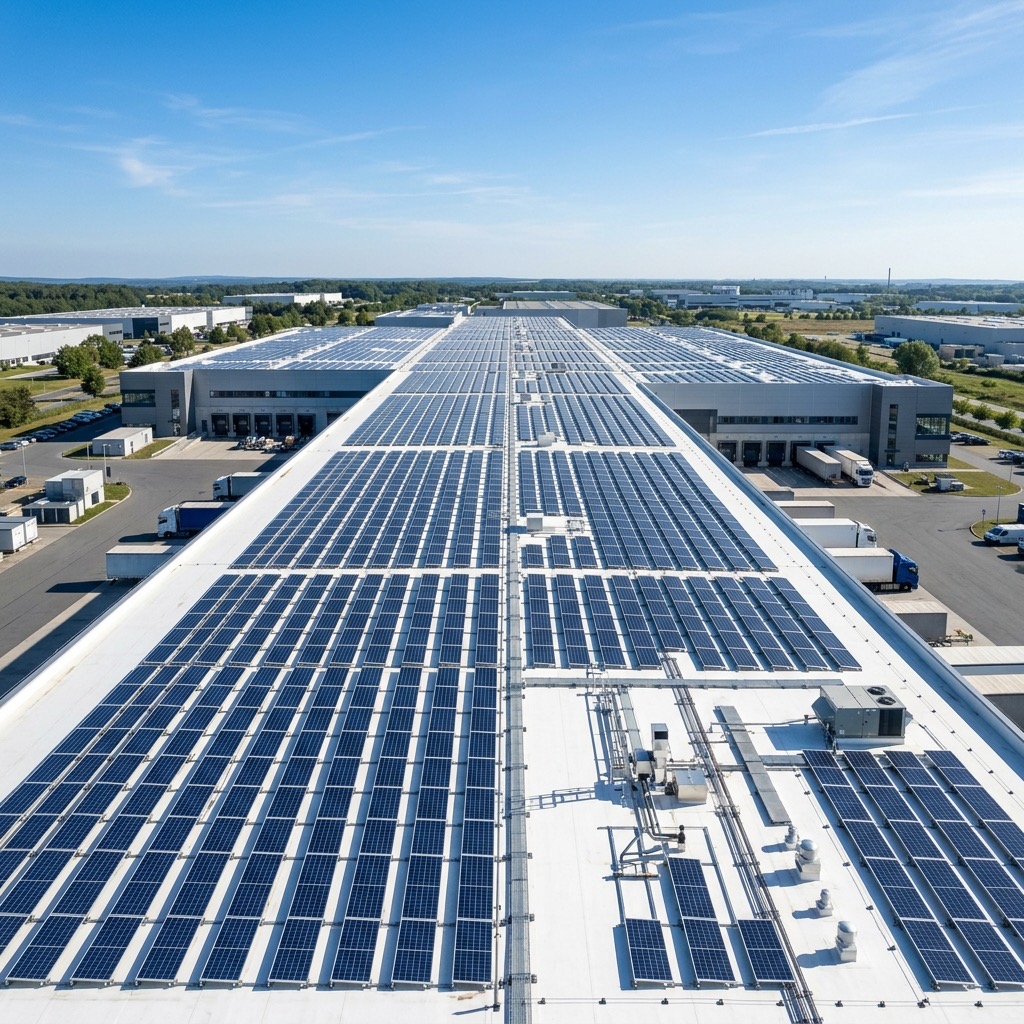
The recent regulation of the Micro, Small, and Medium Investments Incentive Regime (RIMI), officialized through Decree 242/2026, has generated a paradigm shift for the Argentine productive sector. This regulation not only seeks to reactivate industry but places photovoltaic solar energy as one of the most strategic and profitable investments for the corporate segment in 2026.
In this article, we analyze how your company can leverage this legal framework to install solar panels, reduce fixed costs, and obtain immediate tax benefits.
1. What is RIMI and why does it favor solar energy?
RIMI is an incentive system designed for productive investment projects that promote modernization and energy efficiency. By investing in a photovoltaic solar energy plant, SMEs (from Micro to Segment 2) access a system of benefits that drastically reduces the initial capital cost and accelerates the return on investment (ROI).
Key benefits for photovoltaic projects
The RIMI regulation tackles the two most common financial "pain points" in the adoption of renewable energies:
- Anticipated VAT Refund: The tax credit generated by the purchase of solar panels, inverters, and structures is returned on an accelerated schedule, injecting direct liquidity into the company.
- Accelerated Income Tax Depreciation: Allows the deduction of the investment in photovoltaic systems in periods much shorter than the equipment's technical useful life, immediately reducing the tax base.
- Zero Import Tariffs: Exemption from duties for the acquisition of high-technology components that do not have equivalent national production.
2. Requirements to apply to RIMI in self-generation projects
For a solar energy installation to be eligible under this regime, the project must meet certain technical and administrative conditions:
- Project status: The incentive applies to new projects or those with a construction progress of less than 30%.
- SME Certification: The company must hold a valid SME certificate and be up to date with its obligations before ARCA (formerly AFIP).
- Productive objective: The investment must be intended for the generation, storage, or transport of energy for self-use or grid injection under the Distributed Energy Law.
3. Impact on competitiveness: Solar Energy vs. Electric Tariffs
In a scenario of tariff rebalancing and subsidy removal, photovoltaic energy stops being merely an "ecological" option and becomes a financial shield. By generating your own electricity, your company achieves:
- Cost predictability: The cost of the kWh generated by solar panels is fixed and known from day one.
- Carbon footprint reduction: Improves the export profile and qualifications before banking entities for green loans.
- Energy independence: Less dependence on the national grid and its fluctuations.
| Concept | Standard Investment | With RIMI Benefit |
|---|---|---|
| VAT Purchase | Technical credit balance (slow) | Anticipated refund (liquidity) |
| Depreciation | 10 to 20 years | Accelerated (tax benefit) |
| Import Tariffs | According to tariff code | Total exemption (0%) |
| Generated kWh Cost | Low | Minimum (optimized) |
Conclusion: The moment for the photovoltaic transition is now
The combination of high-efficiency solar panel technology with the tax incentives of Decree 242/2026 creates a unique investment environment. It is not just about installing technology, but about structuring your project so that you obtain the maximum tax benefit possible.